What Fitness Level Is Needed for Annapurna Circuit Trek?
The Annapurna Circuit Trek is the most rewarding trek in Nepal, covering stunning mountain views along with incredible cultural interactions. However, the obvious question that everyone seems to want to know, right before they take on this challenge, is, “How fit do I need to be?” The hike may not be the most grueling climb; however, it does involve proper conditioning and endurance.
Long walking days, climbing, steep climbs, high loads, as well as altitude symptoms and difficulty levels of the weather conditions Trekking: When trekkers know that degree of fitness they require, they tend to pack with much more confidence. So with a few months of training, particularly if you are moderately fit and have the correct attitude, this amazing Himalayan trek can be done.
Annapurna Circuit Trekking Difficulty
The Annapurna Circuit trek tour requires a moderately to well-developed level of physical fitness because of the varied nature and long duration of trekking. Our daily trek was typically five to eight hours, walking along mountain tracks, through villages and forests and rocky pathways. Trekkers should be prepared to walk with a rucksack for hours at many elevations and acclimatize at distinctive heights.
It is not about speed; it is about energy that constitutes the greatest physical challenge, such as comprehending how to split the journey into bites and making your body used to taming it in increments over a number of weeks, which, as any veteran long-distance walker or trekker will tell you, reaps benefits—fatigue disappears from being the primary concern; suddenly you are acutely aware of remote landscapes, local communities along the way, and rich culture at play, which they seamlessly take in).
Most importantly, we need to increase our ability to do cardio as the long trekking days go on.
Cardio-Respiratory Endurance: The fittest requirement for the Annapurna Circuit short trek, which entails gentle slopes and descents and moderate altitudes where the air becomes cold and thin, is Get ready for the trek with activities such as hiking, running, cycling, swimming, and stair climbing; they will increase your heart and lung capacity. Physical prep well before you leave gives you a long lead time for getting your body prepared for the rigors of smashing out the long-haul walking day after day as if it were business as usual. They do not need to be marathon runners, but they should have the ability to walk for several hours at a time without too much excessive fatigue.
Leg Strength and Stability Requirements
The steep ups and downs of the Annapurna Circuit demand mighty legs to overcome. The trail has thousands of meters of elevation change, and those hills take a toll on knees, calves, and thighs. Therefore, squats, lunges with step-ups, and regular hiking can support the formation of our hill-walking muscles. Stronger legs help you balance on the uneven trails & prevent injuries. thumb_up The trail consists of rough areas like inclines and rocks on the road, so practicing the legs sooner will help an individual conquer these parts of the trek.
Preparing for High Altitude Challenges
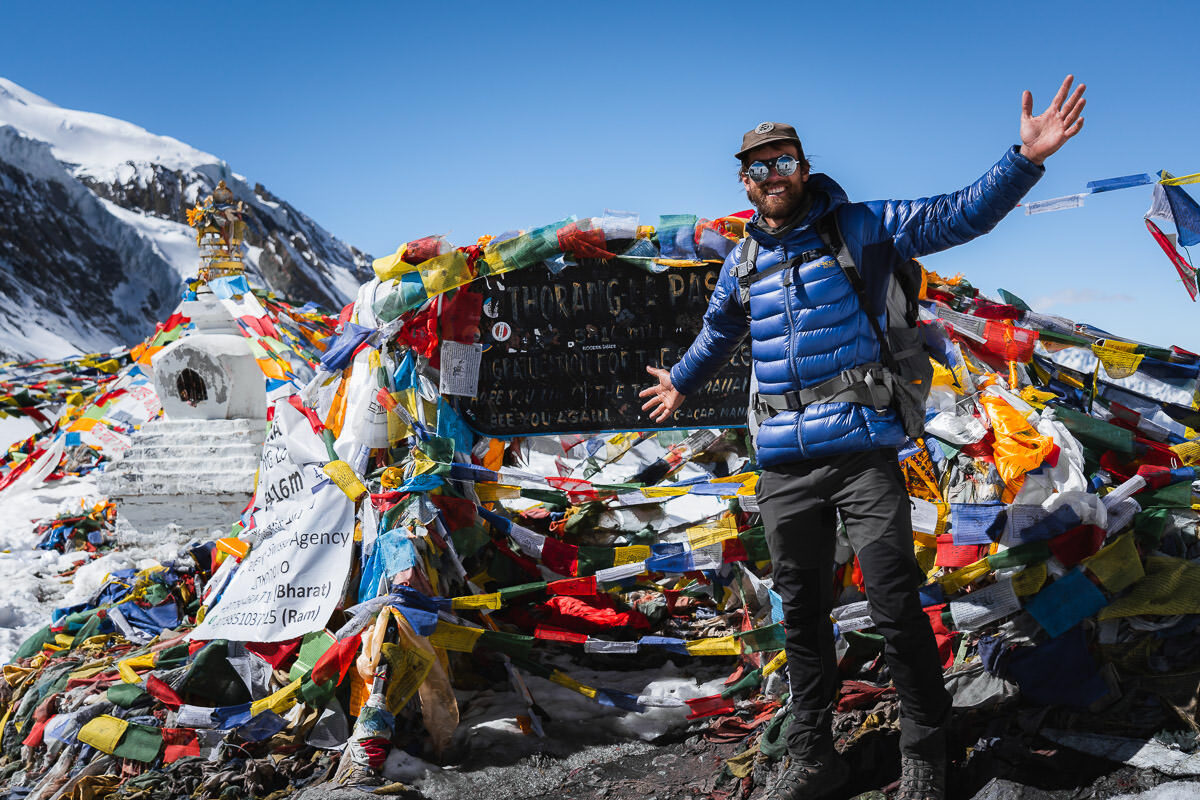
Apart from several factors that affect your fitness level, altitude is one of the major lives [1] when you are practicing your health and wellness to choose the Annapurna Circuit Trek. The full route might be high the whole way up, but many find it challenging when attempting Thorong La Pass over 5,000 meters.
Even super fit humans can run into trouble at altitude, as the body needs time to adjust to lower oxygen levels. Walking speed is a very important factor included in successful trekking along with acclimatization, water, and rest. Fitness helps endurance, but knowledge of correct body principles and altitude safety will help to make a successful trek without injury.
What Training Do You Require Prior to the Trek?
Preferably, Annapurna Circuit Trek preparation should be started 2–3 months before. Training regime with gradually changing distances and strength & walking capabilities Because hiking with a pack better simulates trekking conditions, this skill set is worth even more value.
An alternative combination balances your preparations and sorts out cardio workouts, strength exercises, and outside walking. For the beginners who are unfamiliar with the activity, they have to pace themselves and build up slowly during training. In fact a preparation plan that is more-or-less-as-is year-on-year can eliminate some of the stress, boost your confidence, and might even allow you to enjoy your Himalayan adventure much more!!
How experienced you need to be for the Annapurna Circuit trek
Experience: Annapurna Circuit trek (Experience of previous trekking is helpful but not necessary). Provided that they are well prepared and plan carefully, even beginners on trekking trips in the Himalayas can safely visit between these two points. However, before we carry on, a word of caution to any Janey newcomers out there—this is NOT your gentle walking-through-the-parks type of walking holiday. However, inevitably it will take time and determination with altitude, distance, and the common nature of mountain walking.
People who check out and are in vivo activity on a uniform footing do better. Trekking can similarly be a blend of expert execution and solid readiness, where a positive mental disposition, preparing to walk at a generally proceeded-with activity low speed, and veneration for mountain conditions are necessary to facilitate this arrangement of high-undertaking activity.
Mental Strength and Trekking Mindset
Great physical fitness training is a part of preparing the Annapurna Circuit Trek, but not all of it. Being mentally prepared is more important than anything because all the trekking in the Himalayas is one time or other; every time we need to be uncomfortable, the weather will change, it will be a big energy consumer, and also many surprises from nature will come.
Adventurers discover how to persevere through weary hours on steep trails and not lose passion in between. However, if you wait until there are more than a game’s worth and have the right expectations, it is not much of a grind. The idea is not to finish the trek as soon as possible but rather to enjoy the mountains, culture, and adventure through a comfortable pace while still exploring within your limits.
Trekking Fitness Tips For All Types
How those preparations differ will vary widely based upon one’s lifestyle by that time. Typical weekend hikers or relatively active people will mostly need some focused endurance work right before leaving. More time should be spent developing endurance and leg strength for trekking novices.
If you’re a somewhat older trekker or returning to activity after a long period away from it, start slowly and seek professional advice if your health is even in the least uncertain. However, with the right level of physical preparation, realistic expectations, and amount of rest, every type of traveler can successfully experience this classic trek in Nepal.
How fit do you have to be for the Annapurna Circuit?
Moderate Physical Fitness Level–Endurance & strength with several hours of walking each day. Be ready for long periods of moving uphill, navigating uneven ground during the outing, and packing in key equipment. You don’t need to be by far the most noteworthy competitor on the planet, yet you do need to dedicate time to prepping yourself to guarantee a protected wilderness trip.
Experience at high altitude is beneficial, but many intrepid travelers can tackle this classic Himalayan journey with appropriate training and awareness of altitude sickness. Hard its preparation is, however, like the saying goes, well rewarded with some of the best views in mountain life you will ever see on this earth, and you are about to experience culturally lasting memories.


